


 A recent article in the New York Times addresses the interesting question of whether a testator (a person who has made a will) can “attach strings” to a bequest (a gift by will of personal property). Wealthy philanthropists have left collections of artwork to museums and have specified conditions on the bequest, such as all works of art need to be displayed together or never sold. When a donor leaves such property in a will and the intent of the bequest is no longer being met, the museum or other institution to which the donation was made cannot request that the donor change the conditions or request a clarification of the donor’s intent, because the donor is deceased. In some cases, institutions have sought Court intervention to address donor intent and request a change in conditions so that donor’s intent is achieved.
The most well-known case in recent years involves the Barnes Foundation. Dr. Albert Barnes possessed a comprehensive collection of post-impressionist and early modern artwork. He specified the specific manner in which the artwork was to be displayed and that it was to be displayed together in a building owned by the foundation in suburban Philadelphia. The foundation was to conduct educational programs and never move from its location. Over time, the foundation experienced financial problems that jeopardized its very survival. In order to maintain the institution at all, the Attorney General and Governor brought suit to request an order permitting the foundation to move from suburban Merion to downtown Philadelphia. The Court agreed that relocating the foundation was necessary to preserve the foundation.
There are many situations where an arts institution has requested the Court’s intervention in revising the terms of a bequest in a will or a gift in a charitable trust. The Attorney General, as the supervisor of charitable organizations, may also participate or lead such lawsuits. The reasons behind requests to reform the conditions of a bequest could be based on financial considerations. Perhaps the institution needs to sell the artwork to raise funds in order to avert bankruptcy, or the artwork is later deemed not to be attributed to the artist as assumed by the donor.
 Recently, there have been several
 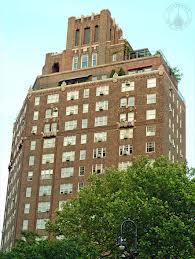 New Yorkers who purchase an apartment typically buy what is known as a cooperative (“Co-op”) or condominium (“Condo”). There are important legal distinctions between a cooperative and a condominium that are notable during the purchase process and after the closing of the transaction. This blog post addresses these distinctions.
 Fences can be seen enclosing many properties in New York State, but are often not within the legal property line. When a fence is erected, a property owner should have a staked survey prepared and the fence installed consistent with the property line as shown on said survey. Of course, many people do not know that surveying is a prudent means by which to install a fence or do not wish to incur this expense. As a result, many fences may be installed over another person’s property line. This may not be discovered until a neighbor attempts to sell his property and the neighbor’s buyer conducts a title search and survey, discovering that the selling party is out of possession as to a portion of his property. If the portion that is out of possession is less than six inches, most title companies will insure such an exception to coverage. If the out of possession portion is more than six inches, the selling party will need to request an affidavit from the encroaching neighbor stating that they know their fence encroaches beyond their property line and that they make no legal claim to the encroaching portion. This affidavit will allow the title company to insure as if the encroachment were less than six inches.
 Prevailing law in New York State favors the making of a Last Will and Testament. The person making the Will (called the testator) may leave his property to any person that he chooses. However, those who would inherit if the testator did not make a Will, known as intestacy, have the
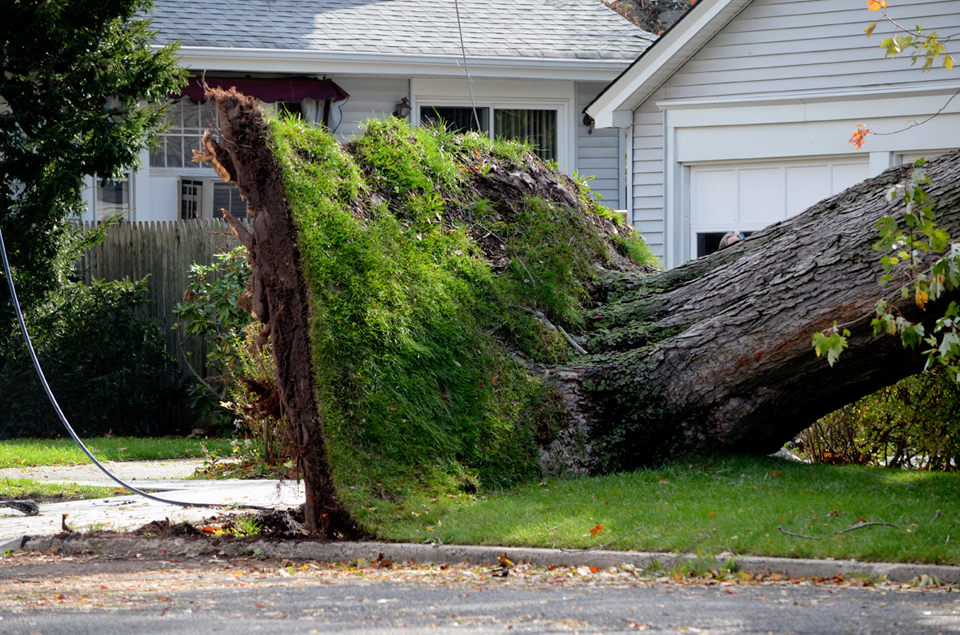 Recent extreme weather conditions in the New York metropolitan area have caused great hardship for many of its residents. We hope that those individuals and families who suffered damage or destruction of their residences are in the process of recovery. This blog post will discuss some of the legal issues which may arise from some of the results of the “super-storm.”
  Residential real estate contracts in New York State are prepared and negotiated by attorneys, rather than by other real estate professionals such as real estate brokers. This custom allows the opportunity for parties to real estate transactions to have professionally prepared contracts, serving as the road map for the entire transaction. There are particular provisions in a typical New York residential real estate contract of which our readers should be aware.