


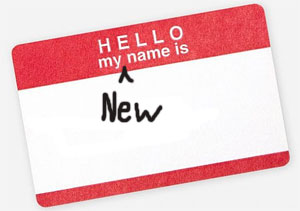
 Our firm often receives inquiries from individuals who desire to legally change their name. People may desire to change their name for many reasons. Some want to avoid a name which may be linked to celebrities or individuals with unsavory or even criminal histories. Others may need their name legally changed so that it matches other legal documentation that they may have, such as a passport. Whatever the reason, this post will discuss the legal requirements required for name changes in New York State.
The first step in legally changing one’s name is to file a Petition in the Supreme Court in the county in which the individual currently resides. There are legal requirements regarding the contents of the Petition, including whether the individual has ever been convicted of a crime, judgments against the individual, pending litigation involving the individual, and information regarding child support and spousal support obligations. The reason that this information is required is that a person may attempt to evade legal obligations, such as judgments or child support, by changing their name. In order to prevent this, a name change Petition will not be accepted unless all information regarding such outstanding legal obligations is provided.
The Petition also has to provide the reason for the name change application. As discussed above, there are many valid reasons for such application. Once the Petition is complete, it is filed with the appropriate Court. The Court will also require a certified copy of the applicant’s birth certificate, showing the original name.
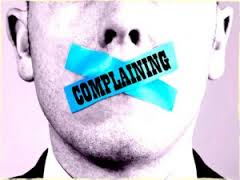 With the prevalent use of the internet, grievances against cooperative and condominium boards can spread like wildfire. The means used may be standard e-mail forwarded to all unit owners, a specifically developed Facebook or Google chat page, a publically accessible website, or another type of private intranet system.
  A recent series of

 As many of us know, insurance carriers are most profitable when they collect premiums and resist paying claims. Some of
 As stated in a
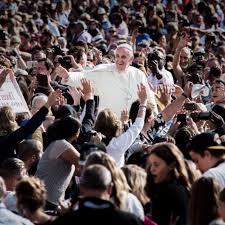 Pope Francis’ first visit to the United States has managed to inspire numerous people. Yesterday’s speech before Congress mesmerized all of those in attendance, regardless of their religious or political affiliation. The Pope’s message has been unifying to all witnesses, which is why many people have been so excited by his visit, even though many of us are not Catholic and may not agree with his specific positions.
 The political season is well under way. Given that our country’s next presidential election is about 14 months away, we see more and more politicians gearing up for a run for our nation’s highest office. Another well-worn aspect of such political events is the use of a popular song by the politician during a rally.