 Prior blog posts have discussed the effect of filing for bankruptcy on properties which may be in foreclosure. This post will explain what may happen to the property after a bankruptcy filing; namely, can the property still be sold to a third party, and under what circumstances.
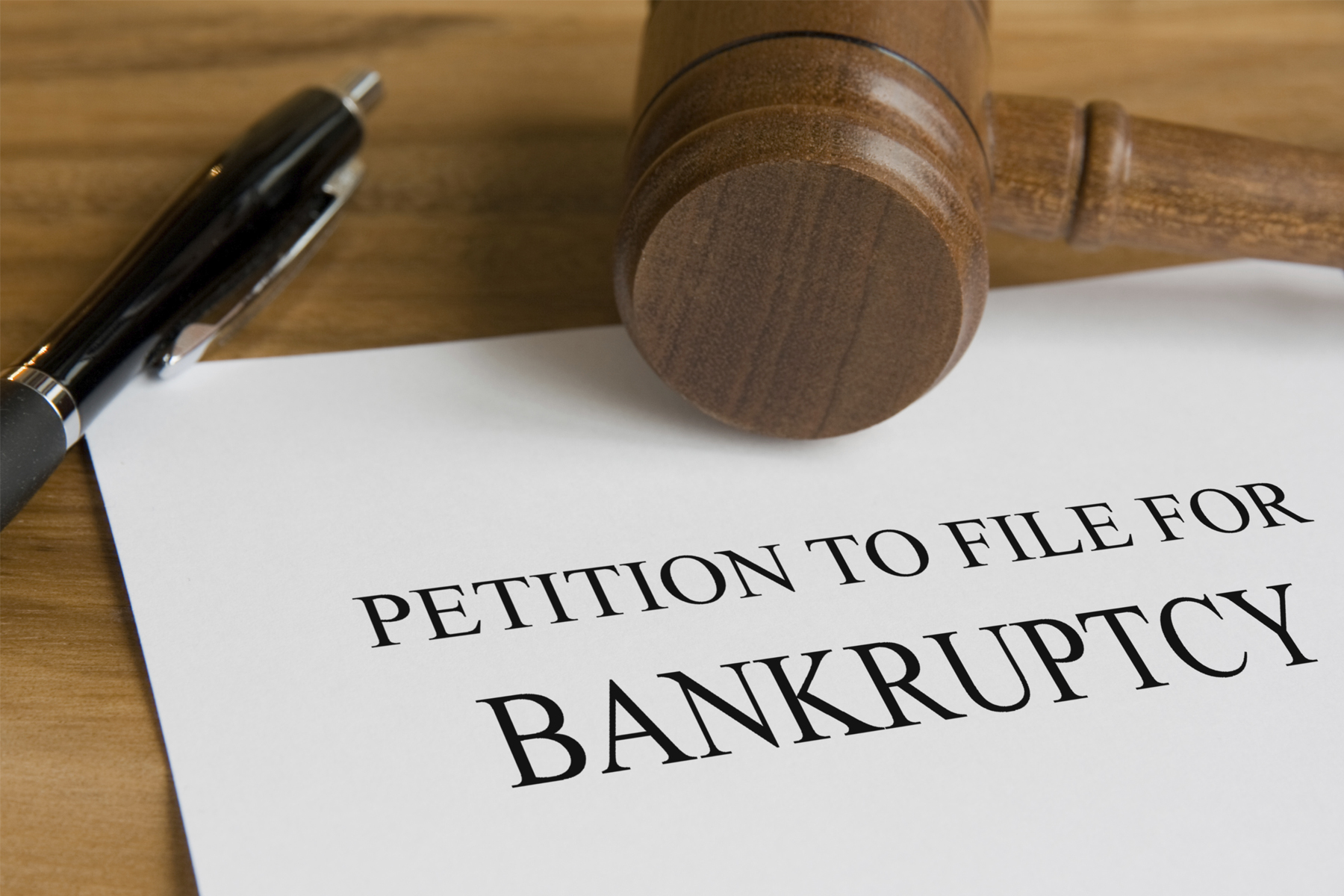
Once a party to a foreclosure action files for federal bankruptcy protection, the Bankruptcy Court issues a stay on all pending legal proceedings. A stay means that all pending legal proceedings must cease, and no new proceedings can be commenced. This often occurs when the property in question is on the verge of being sold in a foreclosure auction. Once a creditor has obtained a foreclosure judgment, and complies with all preliminary requirements (such as public advertising) for a public sale, in general, the only way to stop such a sale is for the debtor to file for bankruptcy.
The bankruptcy filing can even happen on the day before the scheduled auction sale. Once the filing is made, notice is given to all creditors, who must cease all litigation and post-judgment proceedings, including a scheduled foreclosure auction. If the creditor wants to proceed with the sale, it must file a motion with the Bankruptcy Court to lift the automatic stay of all proceedings. This may take several months. In addition, they are only permitted to proceed against the property in question, and not against the individual filing for bankruptcy.