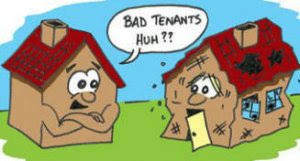
News outlets recently reported on the demise of retailer Toys R Us in bankruptcy. Initially, it was thought that the famous chain toy store would continue operations under its bankruptcy plan. Then, those in charge of the company found that it was necessary to close all locations. Such a decision has profound ramifications on the commercial property and leasing market throughout the United States. This post will address the legal issues raised by the closure of Toys R Us locations.
Most likely, the locations occupied by the stores were not owned by Toys R Us, but were leased under long term leases. Commercial leases typically are long term arrangements, for about ten years with potential options to renew. Of course, during such leases, the economy or style of doing business may change, leading to a lease arrangement that is no longer viable or sensible for the tenant. For instance, with the rise of online shopping in recent years, the need for tenants to have large locations in relative proximity to one another no longer makes sense. It may become necessary for the tenant to renegotiate a lease when times change and the business model along with it. Experienced counsel should be involved in any such lease renegotiation for a modification or amendment as the case may be. In exchange for an amendment or modification, the landlord may ask for concessions from the tenant.
In considering Toys R Us in the area served by our firm , one may be familiar with a location on Central Avenue that was built specifically for the store. The owner of the property may have issues with the store abandoning the property, as it may be suited only to this tenant. The landlord may need to become creative in considering the future use of the space, as did the owner of Lord & Taylor’s flagship location.